Understanding Secondary Sanctions Impacts and Implications 949840078
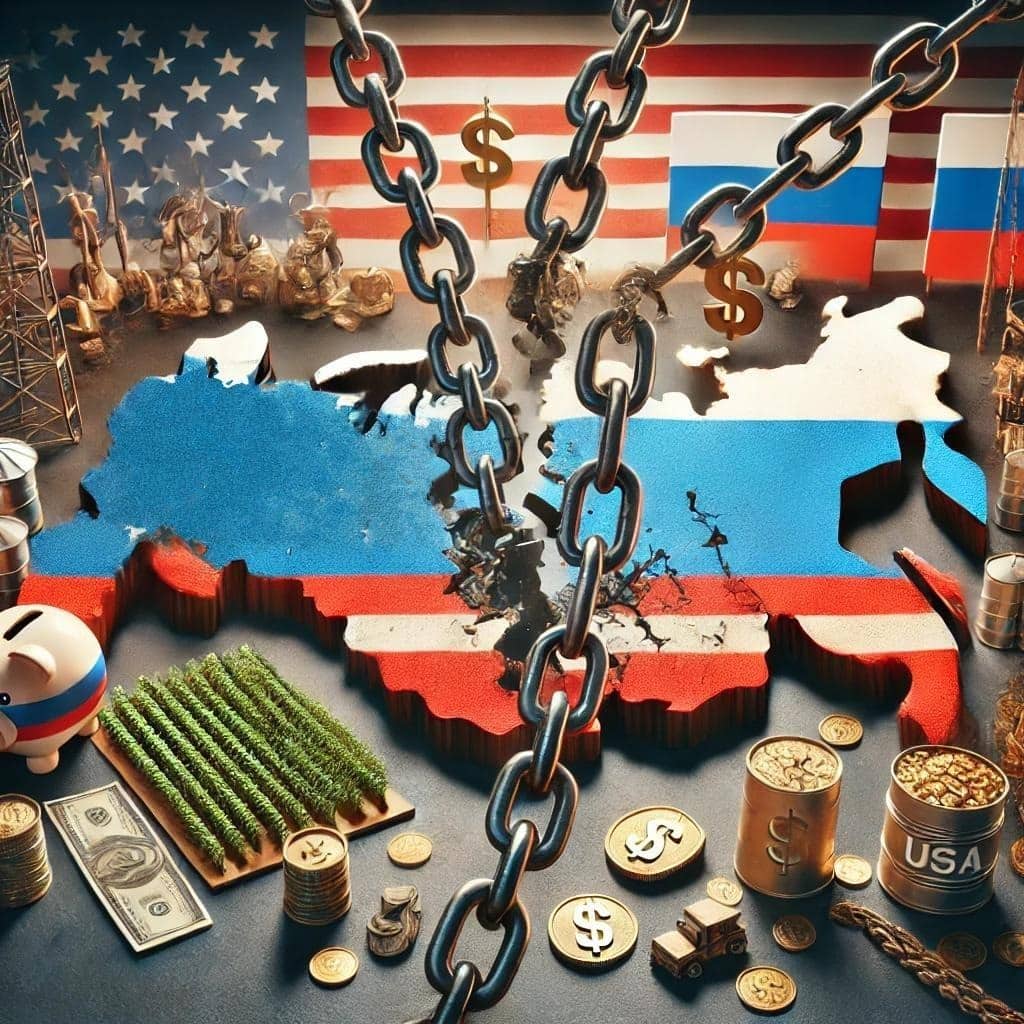
Understanding Secondary Sanctions: Impacts and Implications
In the realm of international relations and economic policy, sanctions serve as tools for states to influence the behavior of actors on the global stage. Among the various types of sanctions, Secondary Sanctions have emerged as a particularly potent mechanism. These sanctions go beyond simply penalizing the original target; they can affect third parties and create a ripple effect in international commerce and diplomacy. This article aims to elucidate the concept of secondary sanctions, exploring their implications, applications, and the challenges they pose in the global arena.
What are Secondary Sanctions?
Secondary sanctions are measures imposed by one country on foreign entities or individuals that engage in transactions with a primary sanctioned country. Unlike primary sanctions, which target specific individuals, organizations, or sectors of an economy, secondary sanctions extend the reach of punitive measures to third parties that do business with those designated entities. Such sanctions are often employed by countries like the United States to discourage other nations from engaging with sanctioned countries, effectively widening the circle of economic penalties.
Historical Context
The usage of secondary sanctions gained prominence in the late 20th century, with the United States at the forefront of implementing such measures. A notable example can be traced back to the sanctions imposed on Iran. Following the Iranian Revolution, the U.S. established extensive economic sanctions targeting Iranian individuals, banks, and industries. The introduction of secondary sanctions aimed to prevent foreign companies from engaging in trade with these entities, thereby isolating Iran’s economy further. This landmark move set a precedent and demonstrated the ability of a single nation to exert control over international commerce.

The Mechanics of Secondary Sanctions
The mechanics behind secondary sanctions can be quite complex. When a country imposes secondary sanctions, it typically threatens penalties against foreign individuals or companies that do business with the primary sanctioned state. This may include prohibitions on accessing certain financial markets, restrictions on trade, or penalties that can impede global operations. The underlying principle is to create a deterrent effect, compelling third parties to choose between engaging with the sanctioned state or maintaining their relationships with the sanctioning country.
Examples of Secondary Sanctions
One of the clearest examples of secondary sanctions can be seen in the U.S. approach toward North Korea. In response to nuclear weapons development, the U.S. has imposed a series of comprehensive sanctions. These sanctions not only affect North Korean entities but also threaten penalties against foreign companies engaging in business with them. This tactic has led various international businesses to reconsider their partnerships and investments in North Korea, showcasing the effectiveness of secondary sanctions in shaping economic behavior on a global scale.
Implications for Global Trade
The implications of secondary sanctions for global trade are profound. Secondary sanctions create an environment of uncertainty, as foreign companies must navigate the complex web of international relationships. They may face pressures to choose sides, often resulting in reduced trade with the sanctioned nation to avoid repercussions. This has the potential to destabilize markets and disrupt long-standing trade relationships. Moreover, smaller countries with fewer resources may find themselves disproportionately affected, unable to withstand the economic pressure exerted by larger nations.
The Ethical Considerations
Beyond the economic aspects, secondary sanctions raise significant ethical questions. Critics argue that these measures can lead to unintended humanitarian consequences, affecting civilian populations more than the government or entities they target. For instance, sanctions can limit access to essential goods, medicines, and other services for ordinary citizens, ultimately punishing those who were never directly involved in the actions that prompted the sanctions. This moral dilemma calls into question the overarching effectiveness of secondary sanctions as a foreign policy tool.
Legal Framework and Enforcement
The legal framework surrounding secondary sanctions is often intricate. Countries implementing these sanctions must ensure they comply with international law while also crafting regulations that fulfill their foreign policy goals. Enforcement is equally challenging, as it requires robust mechanisms to monitor compliance and penalize violations effectively. In this context, the role of legal experts and sanctions lawyers becomes crucial, as they assist businesses in navigating the complex landscape and ensuring compliance with shifting regulations.
Future of Secondary Sanctions
Looking ahead, the use of secondary sanctions is likely to evolve alongside changes in global politics and economic dynamics. As nations continue to grapple with issues of security, trade, and human rights, secondary sanctions will remain a relevant tool in the international community’s efforts to influence behavior. However, the increasing interconnectedness of the global economy may also lead to pushback against such measures, as affected nations and businesses seek to negate the impacts of sanctions through alternative trade partnerships and economic strategies.
Conclusion
Secondary sanctions are a powerful tool in the arsenal of international diplomacy and economic policy. While they serve the purpose of deterring undesirable actions by targeted states, their broader implications raise significant challenges. As the global landscape continues to shift, the effectiveness and ethicality of secondary sanctions remain topics of critical discussion. Understanding the mechanics, history, and future of secondary sanctions is essential for navigating the complex interplay of international relations, trade, and policy.